Digital Skills for a Modern Economy: The Impact of Skill-Up Imo
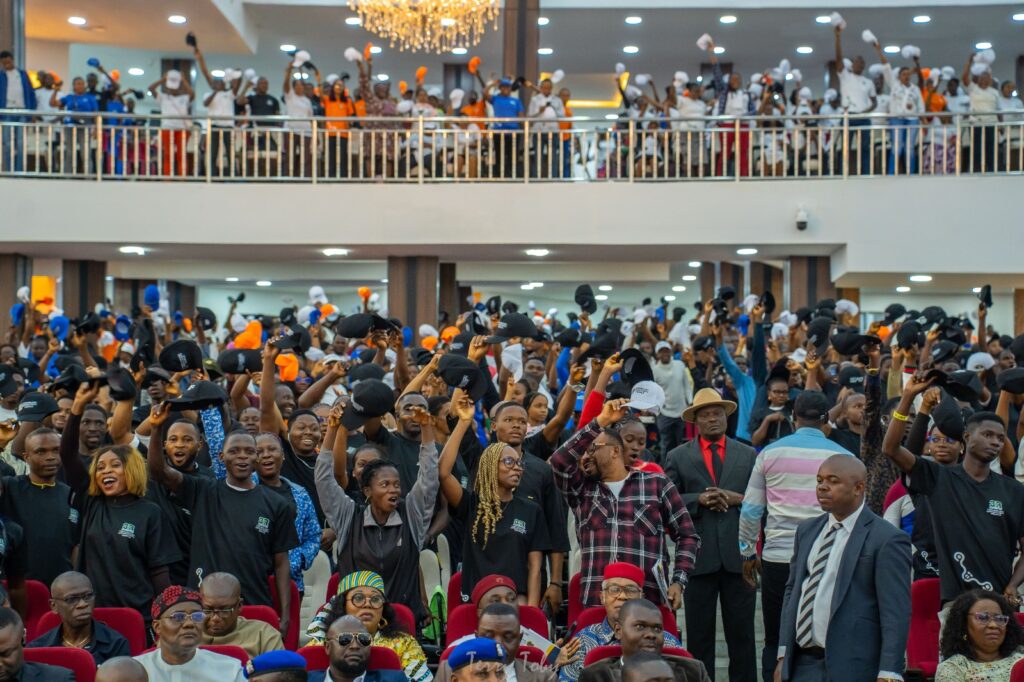
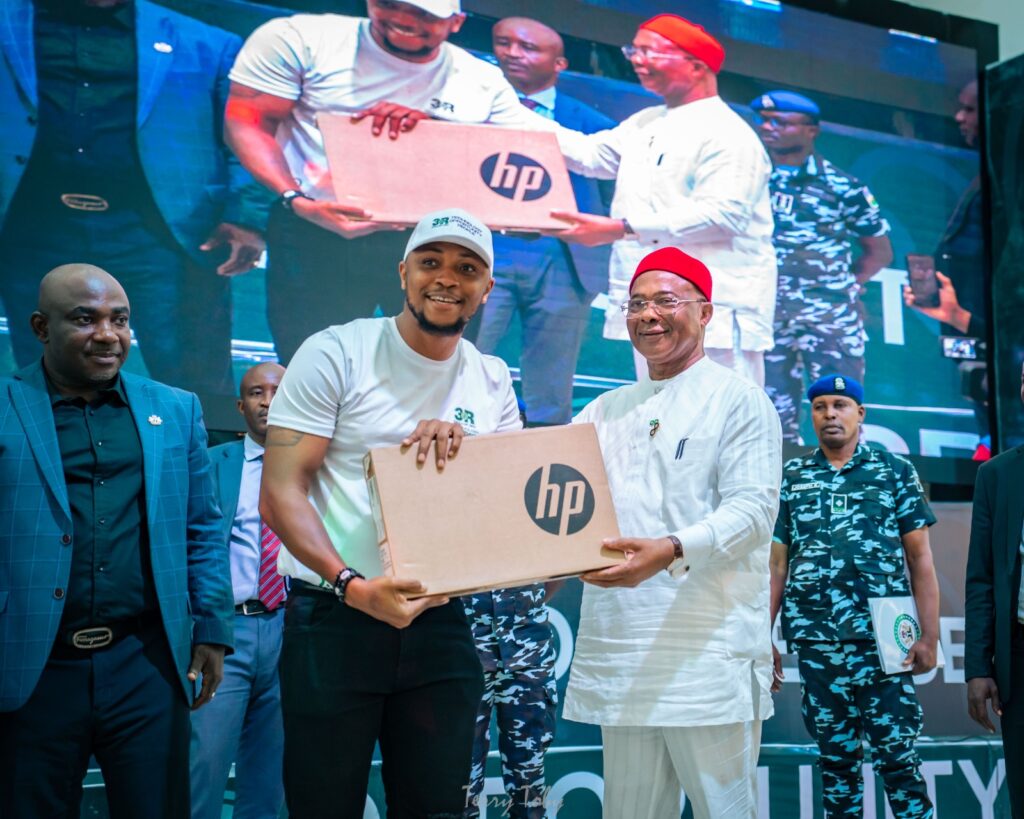
The Skill-Up Imo initiative is one of the most ambitious state-led digital workforce transformation programmes in Nigeria, designed to equip young people in Imo State with the technology skills required to compete in the global digital economy. The programme focuses on training in areas such as software engineering, cybersecurity, product design, robotics, data analytics, digital marketing, and other emerging tech fields, with the aim of positioning Imo youth for remote jobs, entrepreneurship, and innovation-driven employment opportunities.
Since its launch, Skill-Up Imo has attracted national attention for its scale and structure, marking a significant shift in how state governments approach youth development and employability. Rather than relying solely on traditional vocational training, the programme embraces a digital-first approach aligned with global workforce demands, creating access to modern skills that can be monetized both locally and internationally.
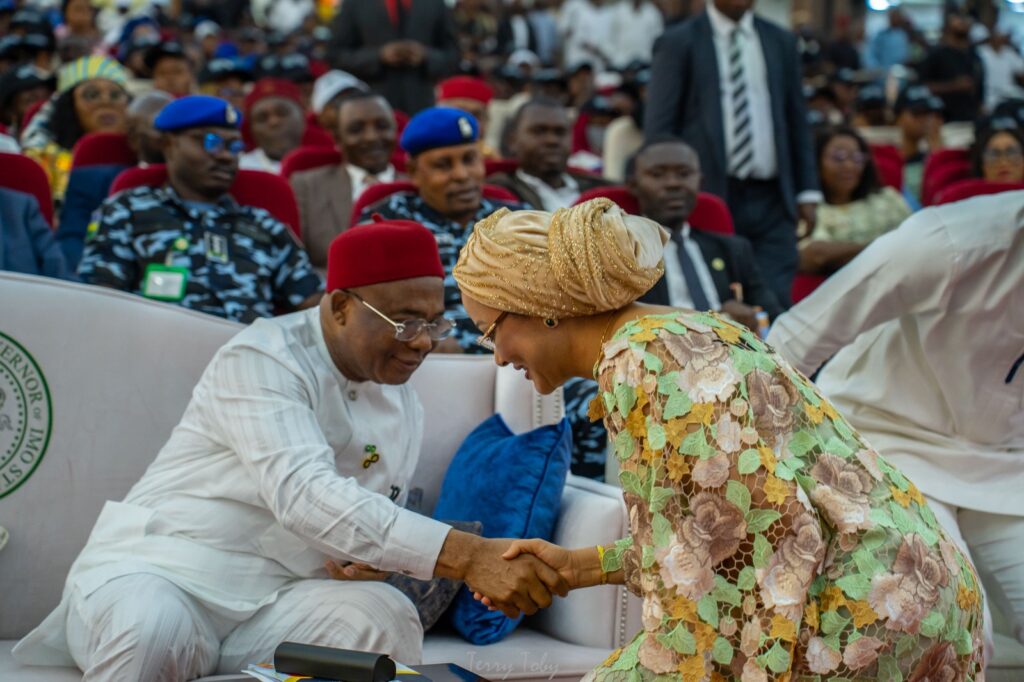
During its early conceptual stage, the Federal Ministry of Industry, Trade and Investment, under the leadership of Dr. Doris Uzoka-Anite at the time, supported conversations around how states could domesticate large-scale talent development programmes. Her engagement with the Imo State Government helped broaden the strategic thinking behind the initiative, particularly in connecting skills development to economic empowerment, workforce export opportunities, and digital inclusion. While the project was fully designed, funded, and executed by the Imo State Government, her contribution at the idea formation stage helped reinforce the importance of building a structured, future-oriented skills programme rather than isolated empowerment schemes.
This collaborative policy guidance reflects a broader national push to align state-level human capital programmes with evolving global labour market trends. It also demonstrates how federal policy actors and state governments can work together without competing for credit, each operating within its mandate while advancing shared national priorities.
Skill-Up Imo continues to gain traction as thousands of young people enroll in its training pipeline. Many graduates have already transitioned into digital jobs, freelance work, or entrepreneurial ventures, confirming the programme’s potential as an economic catalyst for the state. Its structure also serves as a proof of concept for other states seeking to shift from traditional empowerment projects to high-value skills acceleration.
For observers, the programme represents an important model of modern governance, one in which innovative ideas, state action, and federal support can intersect to produce meaningful outcomes for citizens. While Dr. Uzoka-Anite’s contribution was advisory rather than operational, her advocacy for scalable skills development and digital workforce readiness is evident in the programme’s conceptual DNA. The fact that a state government was able to take a forward-looking idea and convert it into a functional, far-reaching programme speaks to the kind of policy-to-implementation collaboration that Nigeria needs across sectors.
As Skill-Up Imo continues to expand, it stands not only as a youth programme, but as a blueprint for what is possible when vision, political will, and technical support converge, a state-driven initiative strengthened by federal-level thought leadership, without competing for visibility or control.