Government–Private Sector (GPS) Dialogue Series
The Government–Private Sector (GPS) Dialogue Series is one of the most strategic economic engagement platforms introduced by the Federal Government to strengthen collaboration between policymakers and business leaders. Conceived as a structured mechanism for resolving investment constraints, expanding productivity, and driving enterprise growth, the GPS platform brings together Federal and State officials, industry captains, and economic stakeholders to jointly design solutions that directly impact businesses and national development.
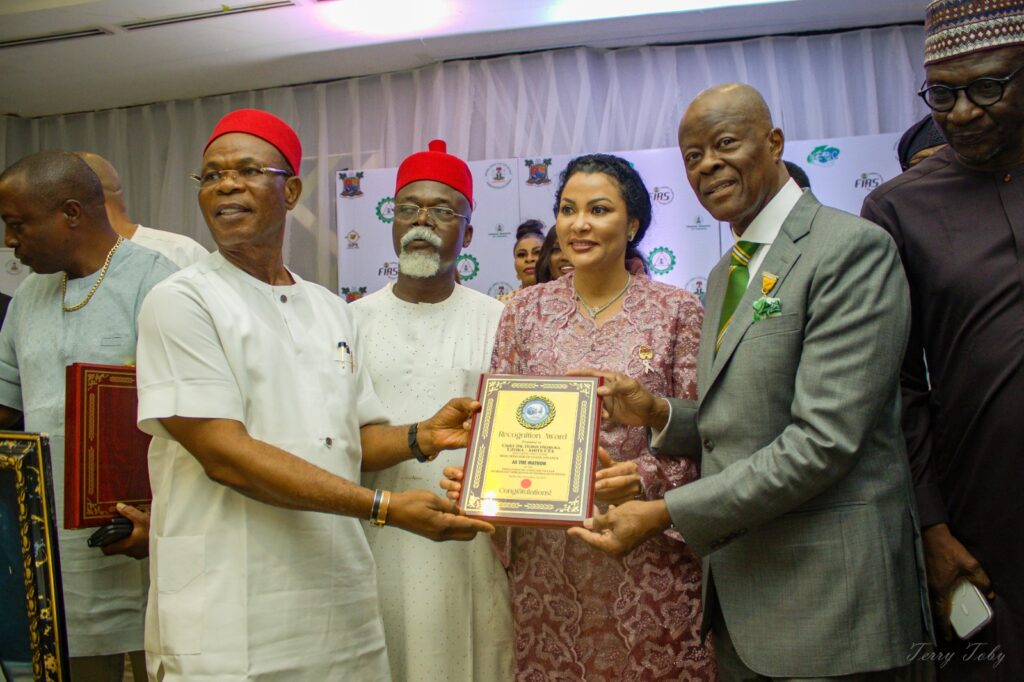
The initiative was developed and introduced under the leadership of Dr. Doris Uzoka-Anite, Minister of State for Finance, who championed it as a critical tool for achieving the economic objectives of President Bola Ahmed Tinubu’s Renewed Hope Agenda. Recognizing that many of Nigeria’s growth challenges stem not from lack of ideas but from the absence of structured engagement, she designed the GPS Dialogue as a recurring roundtable where policy meets practice, a space that allows private-sector leaders to interface directly with decision-makers on issues affecting investment, access to finance, taxation, regulation, and growth.
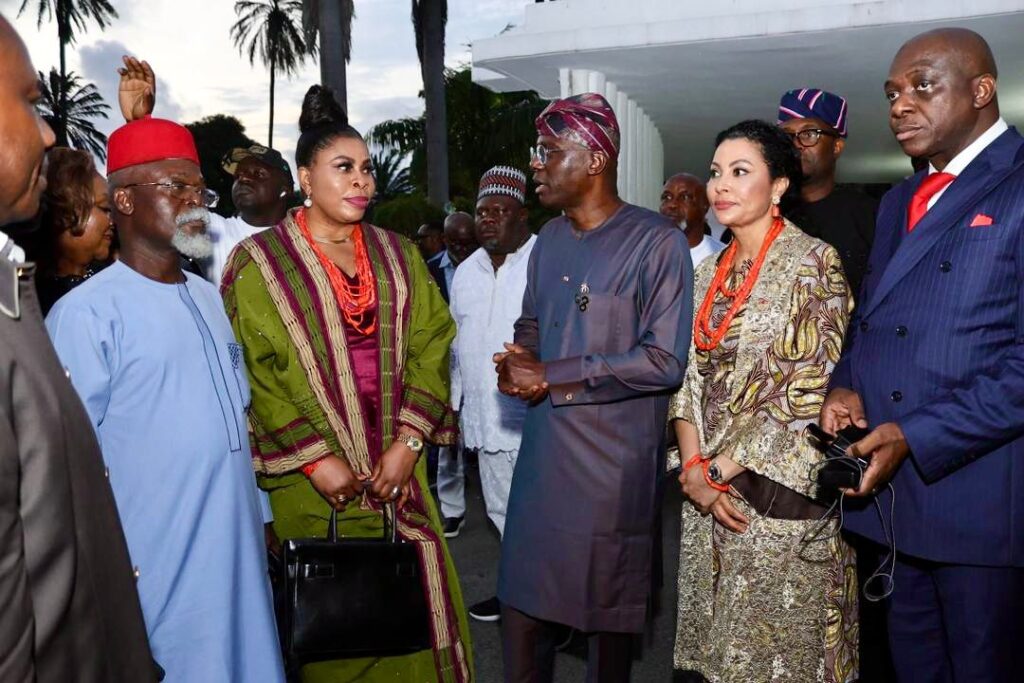
The inaugural edition of the GPS Dialogue Series was launched in Lagos, bringing together Federal and State policymakers alongside leading private-sector figures. The choice of Lagos was intentional, a city that contributes nearly a third of Nigeria’s GDP and represents the country’s most vibrant business environment. During her remarks at the launch, Dr. Uzoka-Anite emphasized that the GPS platform is built on trust, shared responsibility, and the understanding that sustainable development requires government and private enterprise to operate as partners rather than parallel actors.
The dialogue was structured to produce concrete outcomes rather than ceremonial speeches. Participants were tasked with identifying priority bottlenecks and proposing practical policy actions tied to implementation timelines. In a demonstration of Federal-State alignment, the Executive Governor of Lagos State, Mr. Babajide Sanwo-Olu, endorsed the platform and confirmed his administration’s readiness to collaborate. The launch also produced a major structural outcome: the formation of the Lagos-Igbo Consultative Council, a mechanism to deepen collaboration between the Lagos State Government and Southeast business leaders, many of whom form the backbone of commerce in the state.
A defining feature of GPS is that it is not a one-off event but a continuous engagement pipeline. Each edition will focus on specific thematic areas starting with Finance and SME Growth and will be replicated in different cities to address region-specific challenges. By institutionalizing dialogue rather than leaving it to happen informally or through crisis-driven lobbying, the programme aims to build a policy feedback loop that strengthens investor confidence and accelerates reform execution.
Stakeholder feedback confirms that the GPS Series is filling an important structural gap in Nigeria’s economic governance framework. For years, private-sector leaders have called for a predictable, institutional forum where government can hear industry concerns early enough to influence regulation, taxation, and investment decisions. The GPS platform responds directly to that demand, while also reinforcing transparency and accountability in the policy process.
The initiative reflects Dr. Uzoka-Anite’s long-standing advocacy for private sector-led development, demonstrated previously in her work on SME financing, industrial scale-up strategy, NATEP, and artisan workforce reforms. In designing the GPS platform, she leveraged her dual vantage point as both a public official and a former private-sector executive, ensuring that dialogue outcomes are not theoretical but operationally relevant. Even in its early phase, the GPS Series is already being viewed as one of the most practical policy engagement models introduced under the current administration.
Looking ahead, the strength of the GPS Dialogue will depend on consistent execution, credible follow-through, and publication of outcomes. If sustained, the platform has the potential to evolve into a national economic partnership framework that drives reforms, unlocks investment, and builds trust between government and business a critical factor in Nigeria’s push toward macroeconomic stability and inclusive growth.
What is clear is that the GPS Dialogue Series is a direct reflection of Dr. Doris Uzoka-Anite’s collaborative leadership style, her belief in structured engagement, and her commitment to building an economy where policy reforms are informed by practical realities on the ground. As the series expands across the country, its success will stand as one of the most important institutional legacies of her tenure a model of how economic progress happens when government listens, businesses participate, and both sides commit to shared responsibility for national development.